
Choose Onsite Pro Restoration because we combine speed, precision, and trust. For mold remediation in Los Angeles, our IICRC-certified team are available within an hour, clean containment, and documented results that satisfy insurers and protect your property. We use advanced moisture mapping, HEPA filtration, and source-removal methods—not shortcuts—to restore healthy indoor air. From older LA buildings to modern condos, we tailor scopes to minimize demolition while meeting S520 standards. Transparent pricing, photo reports, and courteous techs make the process painless. When you need reliable mold remediation in Los Angeles, count on a local North Hollywood crew that treats your home like their own.
Mold Remediation Services for Homes & Commercial Properties
We identify, isolate, and eliminate mold using certified techniques and industrial-grade equipment—restoring clean, safe air to your property.
- IICRC-Certified
- EPA-Registered Solutions
- BBB A+ Rated
- 5-Star Google & Yelp Reviews
Get Started
Service Form
Mold remediation is the professional process of identifying, containing, and eliminating mold growth from your home or business. Whether caused by hidden leaks, humidity, or previous water damage, mold can spread quickly and compromise both structural materials and indoor air quality. Our certified mold remediation services follow EPA and IICRC standards to ensure complete removal at the source—using HEPA filtration, antimicrobial treatments, and controlled demolition when needed. We don’t just remove mold—we restore safety and peace of mind.
What is Mold Remediation?
Mold remediation is the professional process of identifying, containing, removing, and preventing mold growth from spreading throughout a property. Unlike surface-level mold removal, proper remediation targets the root of the issue—excess moisture—while following strict industry standards like the IICRC S520 and using EPA-approved antimicrobial treatments. It’s not just about cleaning; it’s about restoring safety and preventing future contamination.
Mold Removal vs. Mold Remediation — What’s the Difference?
What is Mold Remediation
Mold remediation is the process of identifying, addressing, and preventing the root causes of mold. Onsite Pro Restoration professionals are experts at assessing what type of moisture and mold is a risk to your home. When water damage occurs, acting fast is the best way to prevent the rapid growth and odor of mold. Protect the structural integrity of your home and take action with advanced HEPA air filters that capture dangerous mold spores. Call Onsite Pro Restoration in Los Angeles – see if mold remediation is the right action plan for your home or business.
What Is Mold Removal
Our mold removal service is among the most respected in Los Angeles. Mold damage restoration sometimes means completely removing visible signs of mold with professional help and equipment. That means cleaning or cutting out affected areas on site, scrubbing intensely, and using specialized mold-killing products. We make visible mold colonies disappear, leaving you with a more pristine and healthier living space. Call now for a Los Angeles-based mold specialist you can trust with your home.
Signs You May Need Mold Remediation
Mold can hide in places you rarely look—behind walls, under flooring, or inside HVAC systems—making it difficult to detect until it becomes a serious issue. Recognizing early signs of a mold problem is key to preventing property damage and protecting your health. If you’ve experienced past water damage, high humidity, or notice strange smells or stains, it may be time to consider professional mold remediation.
Musty Odors or Allergic Reactions
One of the most common early indicators of mold is a persistent musty smell, especially in enclosed or poorly ventilated areas. If you or your family experience unexplained allergy-like symptoms—such as sneezing, coughing, watery eyes, or skin irritation—it could be due to mold spores circulating in the air. These odors and reactions are your first warning that mold remediation may be needed.
Visible Mold on Walls, Ceilings, or Baseboards
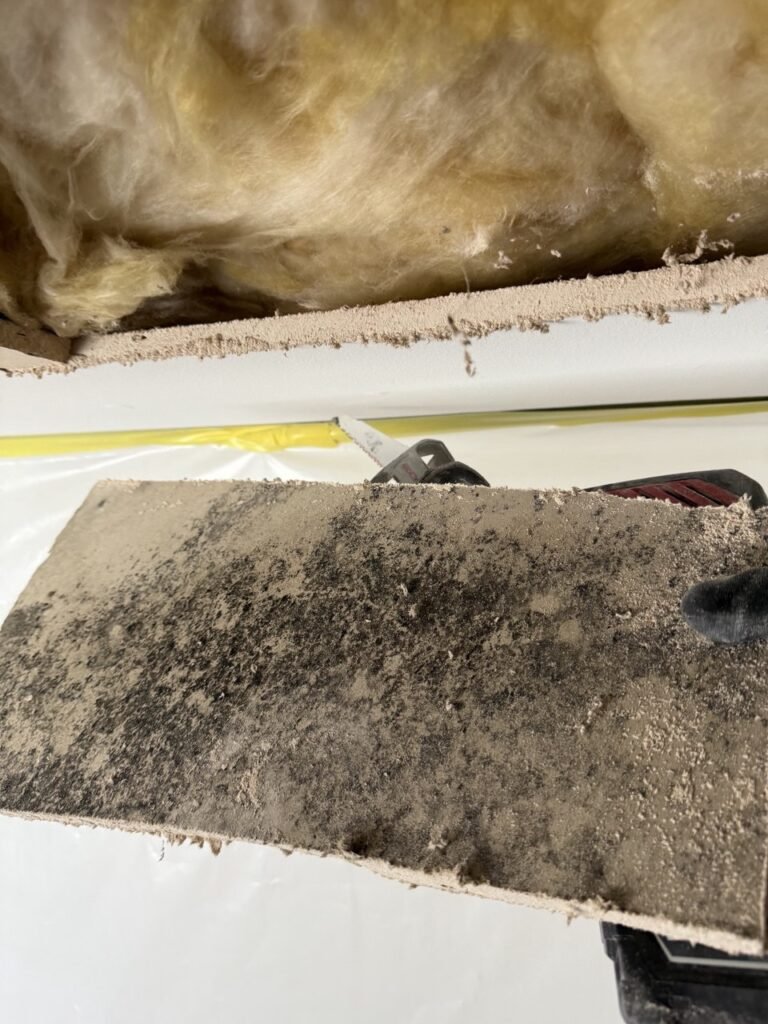
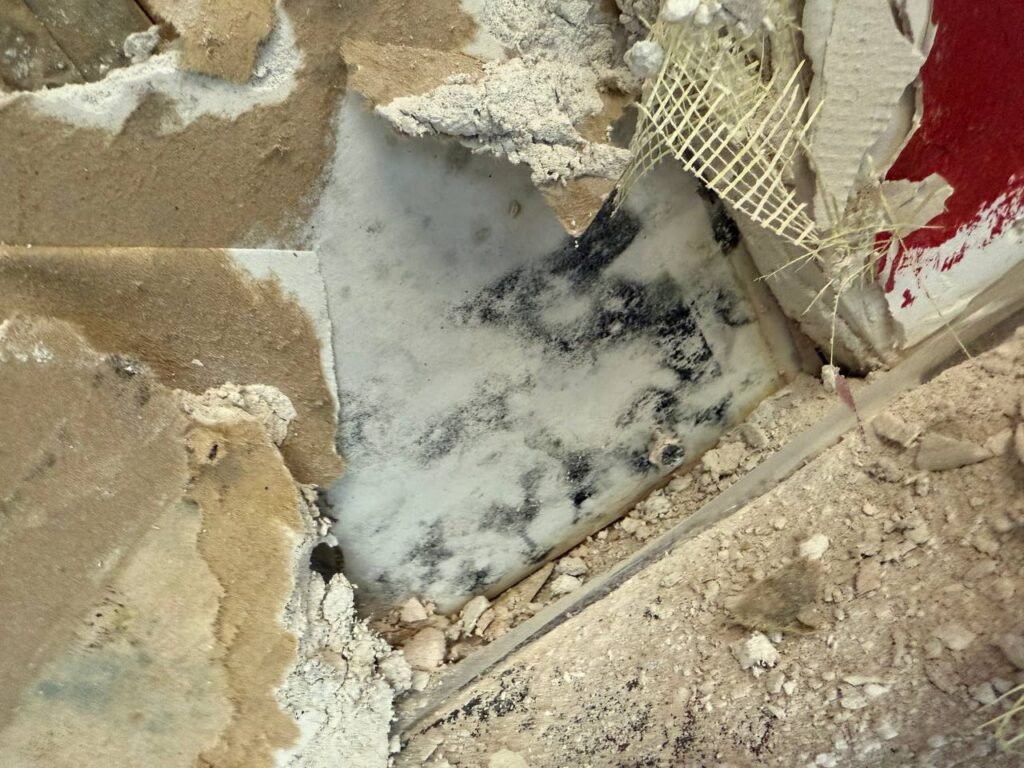
If you see black, green, white, or fuzzy spots forming on drywall, ceilings, tile grout, or wood surfaces, it’s likely an active mold colony. Even small patches can indicate a deeper, hidden issue within wall cavities or under flooring. Professional mold remediation is essential to safely remove contaminated materials and prevent the mold from spreading further.
High Humidity or Past Water Damage
Humidity levels above 60% can create a perfect breeding ground for mold. If your home feels damp, or you’ve had a recent leak, flood, or burst pipe—even if it was dried out—it’s possible mold has started to grow. Past water damage that wasn’t properly remediated is one of the top causes of recurring mold infestations.
Other Mold Services We Provide
Mold shows up in different ways, and not every job is a full remediation. Here is the rest of what we handle.
Black Mold Remediation
Our local Los Angeles team will diagnose black mold and get to the root of the problem quickly. Enhance your air quality and eliminate dangerous health hazards.
Demo
If you plan to demo an area of your home affected by mold or other dangerous substances, let us contain it for you. Onsite Pro Restoration provides a safe disposal service for mold-infested drywall, insulation, and flooring.
24/7 Service
Moisture build-up? Damp areas? Water damage? We offer 24/7 service to address any and all mold and water issues in your home or business.
Our Process
Our Mold Remediation Process
Mold Inspection & Moisture Mapping
We begin with a detailed mold inspection, identifying visible mold and using moisture meters, thermal imaging, and hygrometers to detect hidden moisture. Moisture mapping helps us pinpoint the origin of the problem, ensuring that remediation efforts address both mold and the conditions that allowed it to grow.
Containment and Air Filtration (HEPA)
To prevent cross-contamination, we isolate affected areas using plastic barriers and negative air pressure systems. Throughout the process, commercial-grade HEPA air scrubbers filter out airborne mold spores, keeping the rest of your property safe and clean during remediation.
Safe Removal & Antimicrobial Treatment
Contaminated materials—like drywall, insulation, or carpet—are carefully removed under containment. We then clean and HEPA-vacuum all remaining surfaces and apply EPA-registered antimicrobial agents to kill residual spores and prevent regrowth.
Clearance Testing and Post-Remediation Cleanup
After remediation, we conduct a final inspection and can coordinate third-party clearance testing upon request. Once the area passes inspection, we remove all containment and equipment, leaving your property clean, dry, and mold-free.
What Mold Remediation Costs in Los Angeles
Mold remediation with Onsite Pro starts at $1,750. Where your job lands depends on how much has to come out and how much of the property has to be sealed off while we work.
Every mold job is different, so we price it after we see it, not over the phone. The inspection is free, and you get a written scope and price before any work starts.
What Moves the Price
How many rooms are affected, and how many containments we have to build. Every sealed work zone needs its own barriers, negative air, and air scrubber. Two containments cost close to twice one.
What has to be detached or removed first. Kitchen and bathroom cabinets, vanities, sinks, dishwashers, garbage disposals, refrigerators, microwaves, closet shelving, ceiling panels, and wall panels all come out before the mold work starts, and go back after.
How much mold there is, and what is behind the wall. Some walls have double drywall with insulation behind it. All of it comes out and gets replaced, which doubles both the demolition and the disposal.
Where the mold is. Open drywall is quick work. Mold inside a wall cavity, an attic, a crawl space, or an HVAC system means more demolition and tighter containment.
The water that caused it. Fixing the leak is separate from removing the mold, and it is not optional. Remove the mold and leave the water, and the mold comes back.
The $1,750 is for remediation. Mold testing is a separate $499 service, and we cannot do both on the same property. The next section explains why.
How Long Does Mold Remediation Take?
We are on site within an hour of your call. From there, most mold jobs take three to four days.
A Small Patch, Under 20 Square Feet
Three days. Even one patch needs containment built, the material cut out, the area dried, and a final clean. Skipping the drying is how mold comes back, so we do not shorten that part.
One Room
Three days. More material comes out than a small patch, but containment and drying run at the same pace.
Several Rooms or a Crawl Space
Four days. Every extra containment adds setup and takedown, and crawl spaces are slower to dry than open rooms.
Clearance Testing Afterward
That timing is not ours to promise. We do not test our own work, so the company you choose controls it. Ask them how fast their lab returns results before you book. For reference, our own standalone testing service returns lab results in 24 hours, so that pace is normal.
These are the timelines we actually run, not sales numbers. If your job is going to take longer, you hear that at the inspection, not on day three.
We Don't Test Our Own Work
Mold testing and mold remediation are two different jobs, and we will not do both on the same property.
If you hire us to test, we test and hand you the results. We do not then bid on removing what we found. If you hire us to remove mold, an independent company does the clearance testing at the end.
You choose that testing company. We do not refer one, because a tester we send you is still checking our work.
This costs us jobs. We think it is the only honest way to do it. The company grading the work should never be the company that did it.
Mold testing with us is $499, standalone, with lab data and a written report. Mold remediation starts at $1,750, with independent clearance testing at the end if you want it.
What Causes Mold Growth?
Water Intrusion from Plumbing, Roofs, or Appliances
Hidden leaks in walls, slow-dripping pipes under sinks, and overflowing bathtubs or toilets can cause indoor mold. These issues are common sources of mold growth. Roof damage—especially after heavy rain or snow—can allow water to seep into ceilings and insulation. Faulty appliances, such as water heaters, dishwashers, and washing machines, can leak gallons of water. You might not notice the problem right away. These leaks often go unnoticed until mold starts to spread. This requires careful mold removal and repair of damaged materials.
Poor Ventilation and Excess Humidity
Areas like bathrooms, laundry rooms, attics, and crawl spaces are often poorly ventilated and prone to elevated humidity. When indoor air can’t circulate properly, moisture builds up on surfaces, especially around windows, vents, and ceiling corners. Over time, this creates the perfect environment for mold spores to take hold. Installing exhaust fans and dehumidifiers can help. However, if mold is already there, you need professional mold remediation. This will stop the mold from spreading.
Incomplete Dry-Out After Water Damage
Many homeowners think water damage is fixed when they remove visible water. However, if the structure is not fully dried, hidden moisture can stay behind drywall, under flooring, or inside cabinets. These moist pockets become breeding grounds for mold within 24 to 72 hours. Without a full moisture inspection and dry-out, even a “cleaned up” water event can turn into a mold issue weeks later. Proper mold remediation ensures that both moisture and microbial growth are fully addressed.
Health Symptoms Mold Can Cause
Mold exposure can trigger a range of health symptoms, many of which are similar to seasonal allergies. You might notice itchy or watery eyes, frequent sneezing, a runny nose, or persistent coughing. Some people experience throat irritation, headaches, skin rashes, or sinus congestion. For those with asthma or other respiratory sensitivities, mold spores can worsen breathing issues or cause wheezing.
It’s important to remember that not everyone reacts the same way—some individuals are more sensitive than others. Young children, seniors, and those with weakened immune systems may experience more severe symptoms. If you suspect mold is affecting your health, take action promptly. The sooner mold is identified and removed, the sooner you can restore comfort and peace of mind at home.
Does Homeowners Insurance Cover Mold?
It comes down to one thing: what caused the water.
When It Is Usually Covered
The water was sudden and accidental. A pipe bursts behind a wall overnight. A washing machine or dishwasher hose fails. A storm tears off shingles and rain gets in. Water is used to put out a fire. In these cases the mold is treated as a result of a covered event.
When It Is Usually Not Covered
The water came on slowly, or maintenance was the cause. A slow drip under a sink that ran for months. Humidity with no ventilation. Foundation cracks letting in groundwater over time. Insurers treat these as preventable, which puts the cost on the homeowner.
What To Do In The First Hour
Photograph and video the damage and the water source before anyone touches anything. Stop the water if you can do it safely, but do not start tearing out materials. Call your insurer and open the claim the same day. Then call us. We take the moisture readings, photos, and scope that adjusters ask for, and our report ties the mold to the water event that caused it.
When the work is done you get a certificate of remediation. It is written proof the property was cleaned to IICRC standards, and buyers, lenders, and insurers all ask for it.
Why Bleach Isn’t the Solution for Mold
It’s a common misconception that household bleach is an effective way to wipe out mold for good. In reality, bleach only removes the visible staining on the surface—it doesn’t penetrate porous materials where mold hides or destroy the underlying spores that fuel regrowth. This means the root of the problem often survives and returns, especially in materials like drywall, wood, or grout. For truly effective mold control, it takes specialized cleaning agents and professional-grade equipment designed to eliminate mold at its source and prevent it from coming back.
Common Questions
The EPA puts the line at about 10 square feet. Past roughly a 3-by-3 foot patch, containment and professional removal are the safe route.
On tile or glass it removes the stain. On drywall, wood, or grout it does not reach the roots, and the mold comes back. It also does nothing about the water feeding it.
Only if moisture comes back. That is why we find and document the water source, and why the job is not finished until the area is dry.
Usually yes for a contained, single-room job. For large jobs or work on the HVAC system, we will tell you straight if you should stay somewhere else.
Not advisable. Safety depends on extent and occupant sensitivity. Limit exposure, isolate affected areas, and remediate promptly to correct the moisture and remove contamination.
No, and we will not. If we did the remediation, an independent company tests the work, and you pick that company. We are glad to explain what a good clearance test should include so you can choose well.
No. We do one or the other on a property, never both.
Not always by law, but recommended for medium to large projects, shared buildings, sensitive occupants, or when a third party requires it. An independent IEP performs PRV after a 12–24 hour equipment-off rest period.
When growth is suspected but not visible, for medical or occupant concerns, real-estate or HOA requirements, legal documentation, or when establishing post-remediation clearance criteria. It is not always required when the source and scope are obvious.
IICRC S520 practices, written scope and containment plan, negative air and air filtration, HEPA cleaning, moisture target verification, PPE, proper waste handling, insurance, and clear documentation. Testing should be by an independent IEP or CIH.
Yes. We document the loss the way adjusters need it, and we will speak to them directly if you want us to.
Remediation starts at $1,750, and the price depends on how much has to come out and how many containments we build. Call 818-336-1800 for a free inspection.
Mold Remediation Near You — Serving All of Greater Los Angeles
When you search for mold remediation near me, Onsite Pro Restoration is your local expert. We provide same-day mold removal near me service throughout greater Los Angeles — IICRC-certified, EPA-registered treatments, and air clearance testing.
Our certified mold remediation technicians serve:
- Beverly Hills, Brentwood, Burbank
- Calabasas, Encino, Glendale
- North Hollywood, Sherman Oaks, Studio City
- Tarzana, West Hollywood, Woodland Hills
- Santa Monica, Pacific Palisades, Pasadena
- Venice, Hollywood, Van Nuys
- Palmdale, Lancaster
No matter where you are in Los Angeles County, our mold remediation company near you is ready to respond. Call 818-336-1800 for same-day mold inspection and removal service.